This product has been added to your inquiry list - View Inquiry List
Description
Request a quote
FAQ
Description
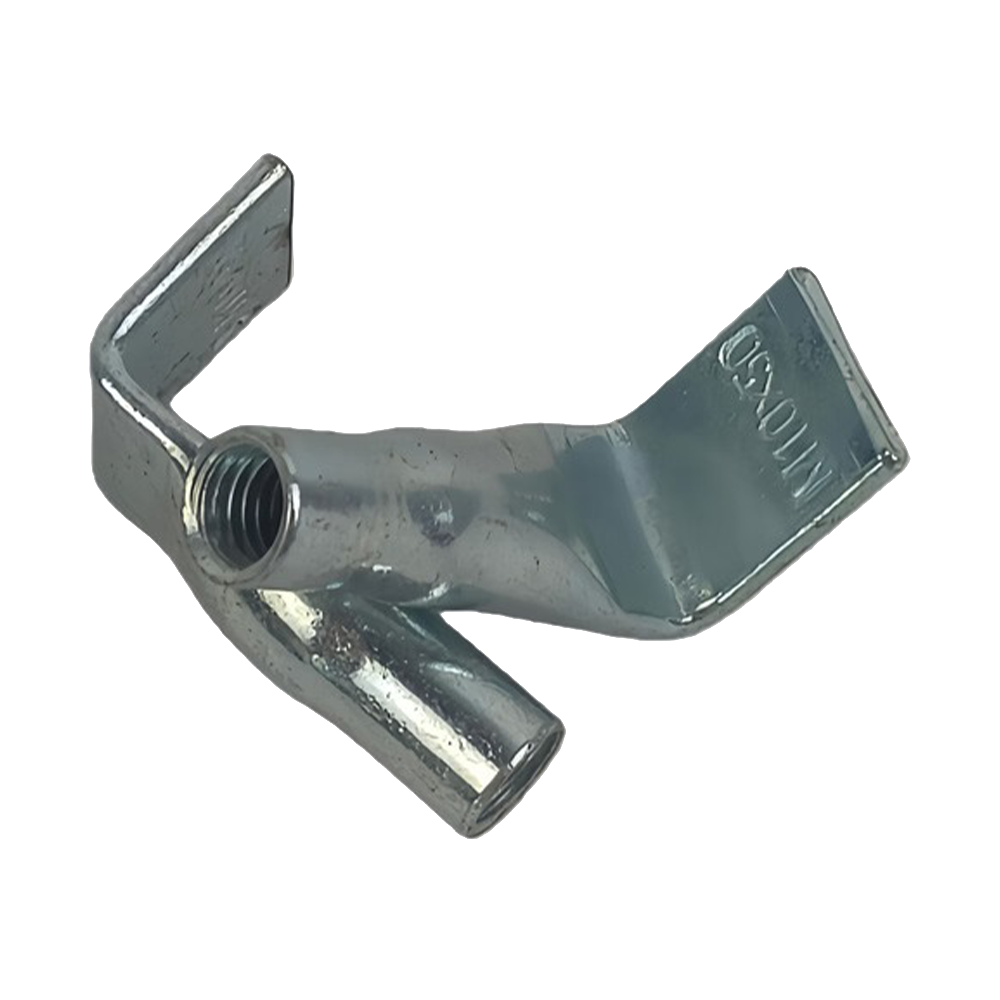
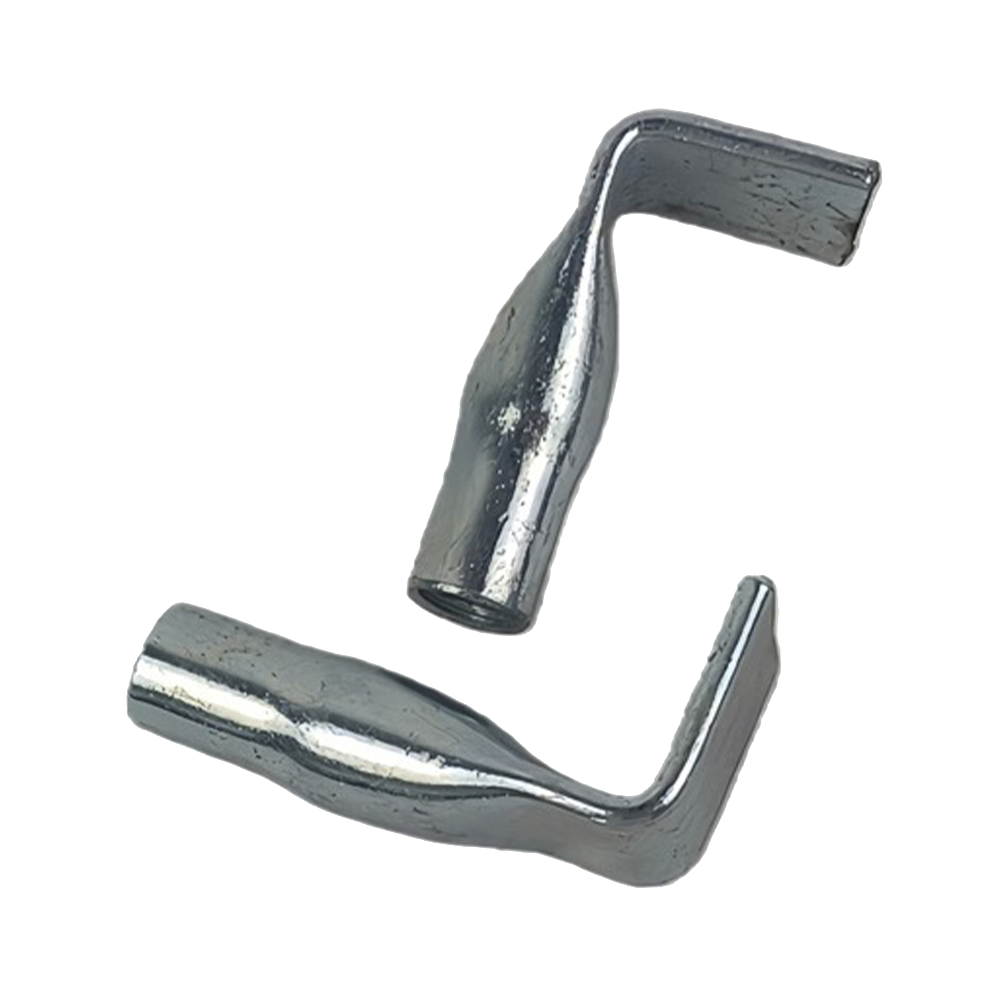
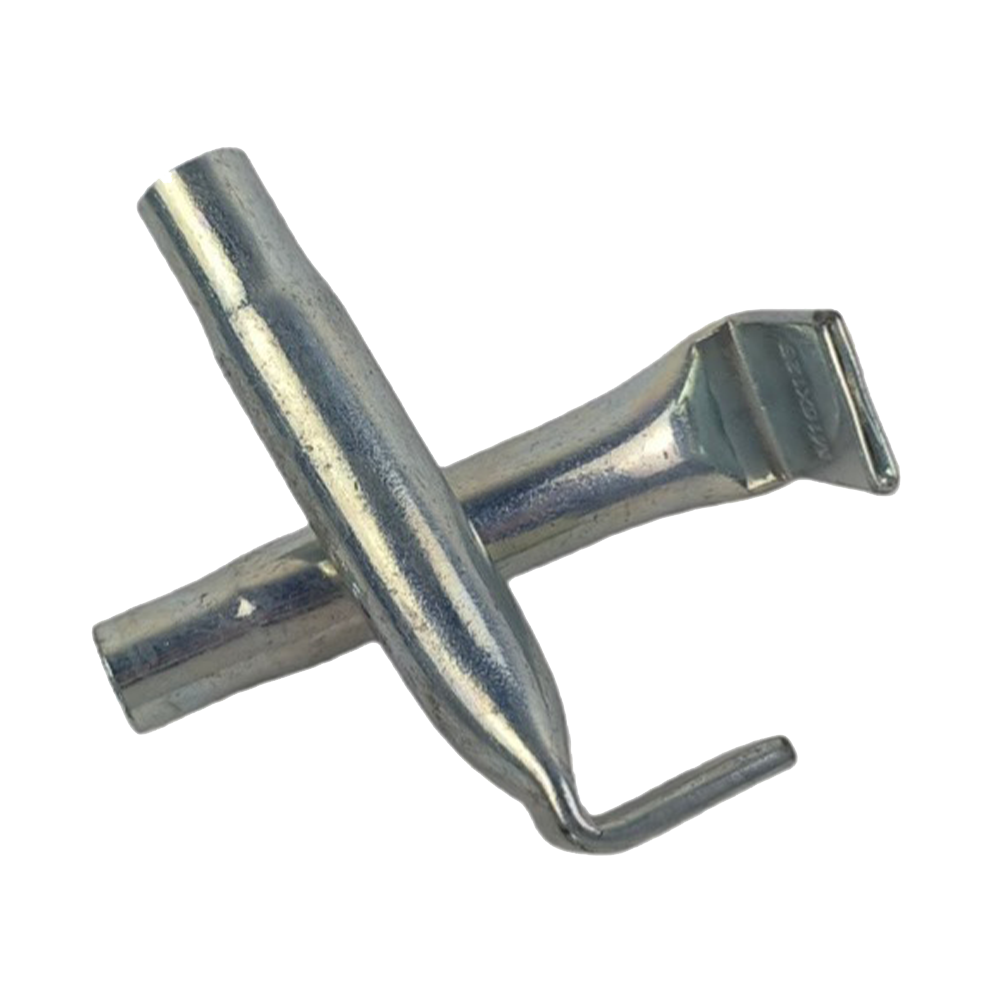
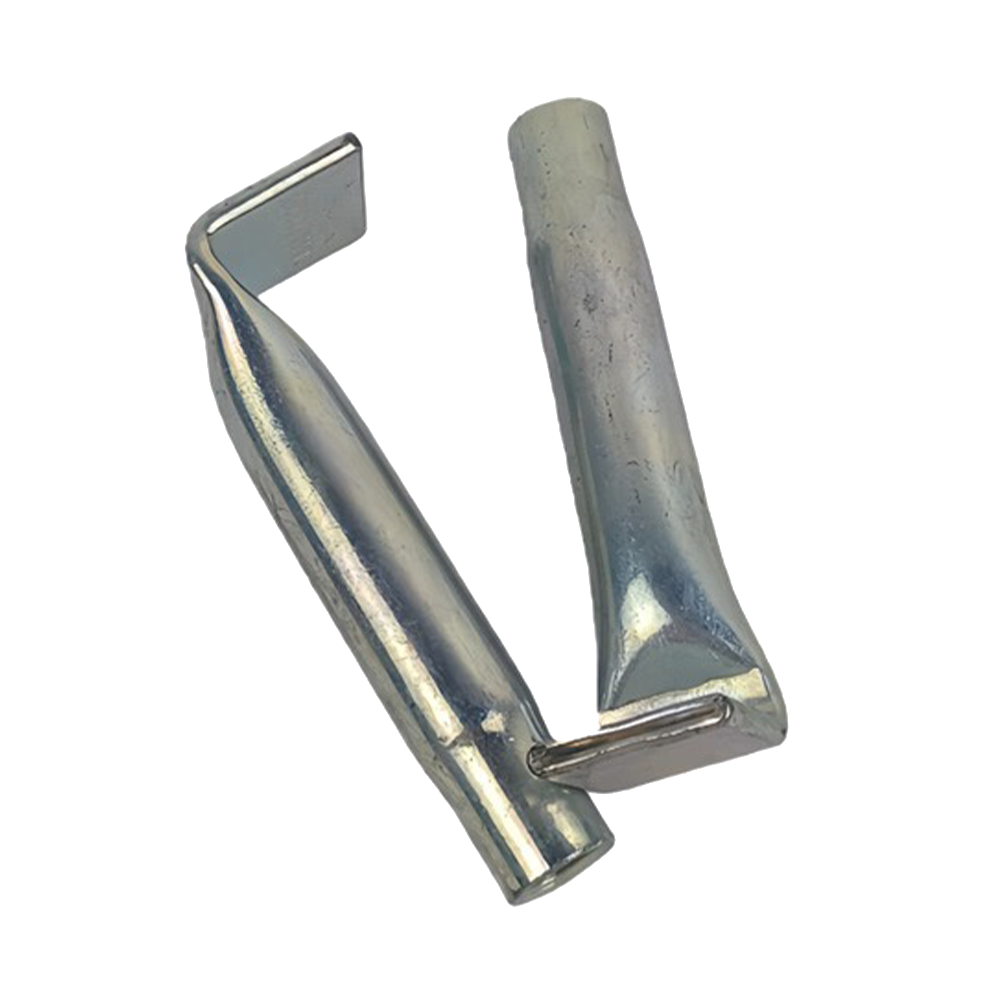
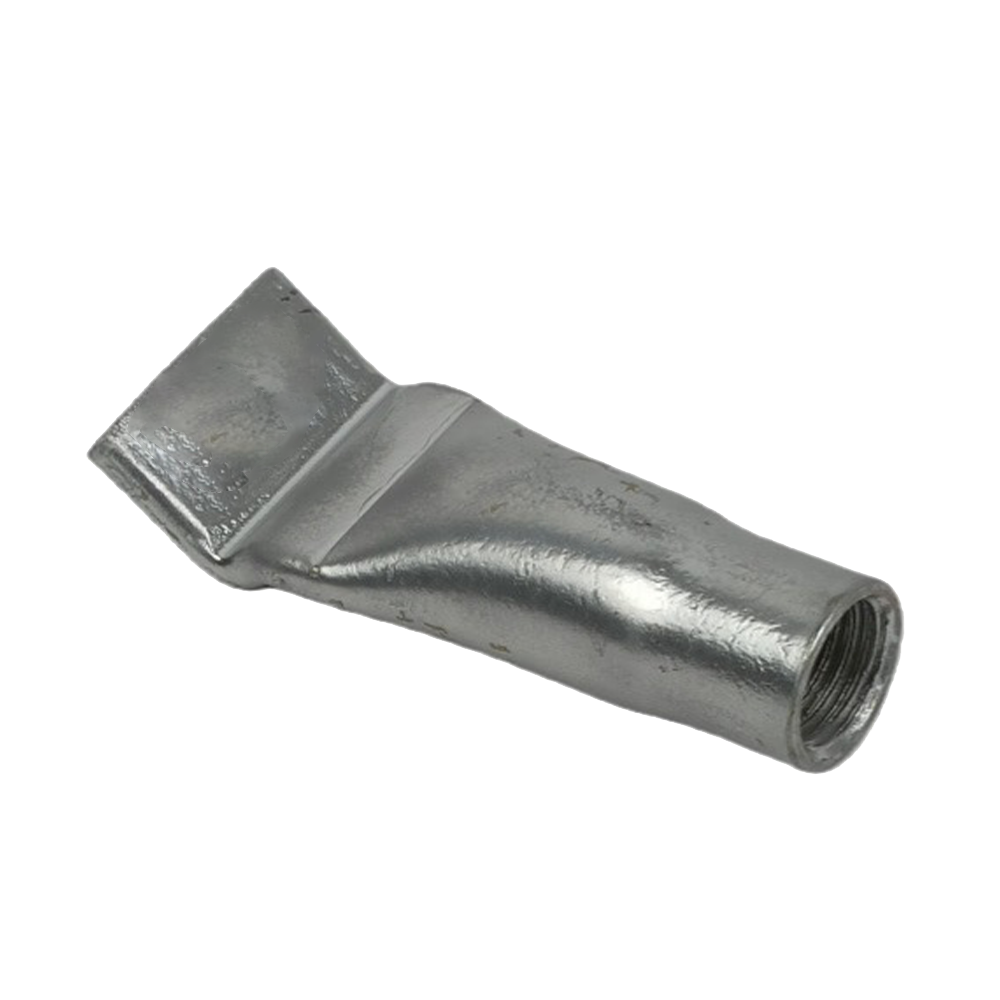
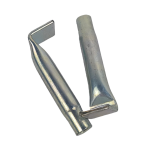
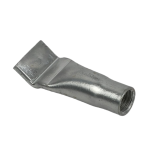
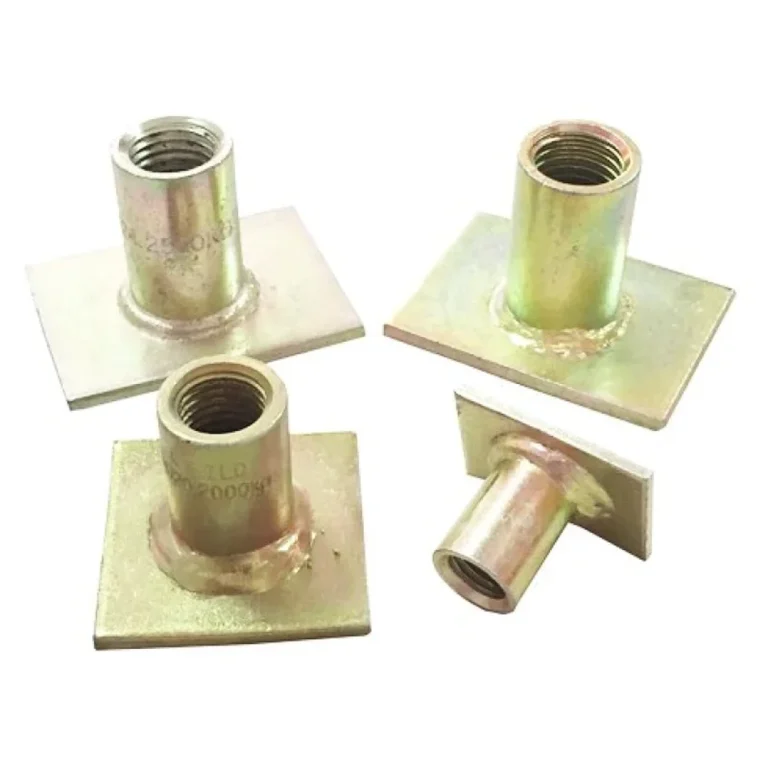
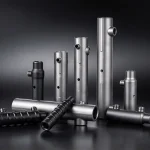
L-shaped hoisting sockets are used where the lifting point must sit close to the panel edge or in a thin section. The 90° leg transfers the load into the concrete behind the thread, improving pull-out resistance compared with a straight tubular socket of the same length.
The socket is welded from 45# steel tube and a bent leg, then machined and zinc-plated. The internal thread accepts standard lifting eyes and swivel hoist rings.
Product Parameters
Model
Thread (M)
Long leg A (mm)
Short leg B (mm)
Tube OD (mm)
SWL class* (t)
Weight (kg)
LHS-M12
M12
70
45
26
1.3
0.20
LHS-M16
M16
80
50
30
2.5
0.32
LHS-M20
M20
90
55
34
4.0
0.48
LHS-M24
M24
100
60
38
6.3
0.68
LHS-M30
M30
120
70
46
10.0
1.20
* Nominal SWL for C30/40 concrete, safety factor 2.5; verify against the factory load chart and the lifting plan.
Key Features
90° leg keeps the thread close to the panel edge without reducing cover.
Higher pull-out resistance than a straight socket of the same length.
Thin-panel option with a shorter short leg for 80–120 mm panels.
Plastic thread cap supplied as standard.
45°, 90° and 135° legs available on request.
Applications
Edge lifting of precast wall panels and cladding
Turning and tilting of stairs, balconies and parapets
Position the long leg parallel to the lifting direction; keep the short leg fully embedded.
Tie or weld the leg to the reinforcement; do not weld to the mould.
Check that the thread axis is perpendicular to the lifting eye under load.
Cap the thread before pouring and clean it after demoulding.
FAQ
Q: When should I use an L-shaped socket instead of a straight tubular socket? A: When the lifting point is close to an edge or the panel is too thin for a straight socket to develop enough embedment.
Q: Can the angle be customized? A: Yes, 45°, 90° and 135° are available; non-standard leg lengths can be produced from drawings.
Q: Is it reusable? A: The socket stays in the concrete; the lifting eye or swivel ring is removed and reused.